The gut-brain connection refers to the continuous two-way communication between the digestive system and the brain. This means that what happens in the gut can influence mood, behavior, attention and overall well-being.
At the same time stress, emotions and brain activity can also affect digestion and gut health. Because of this close relationship, supporting gut health may play an important role in a child’s development and daily functioning.
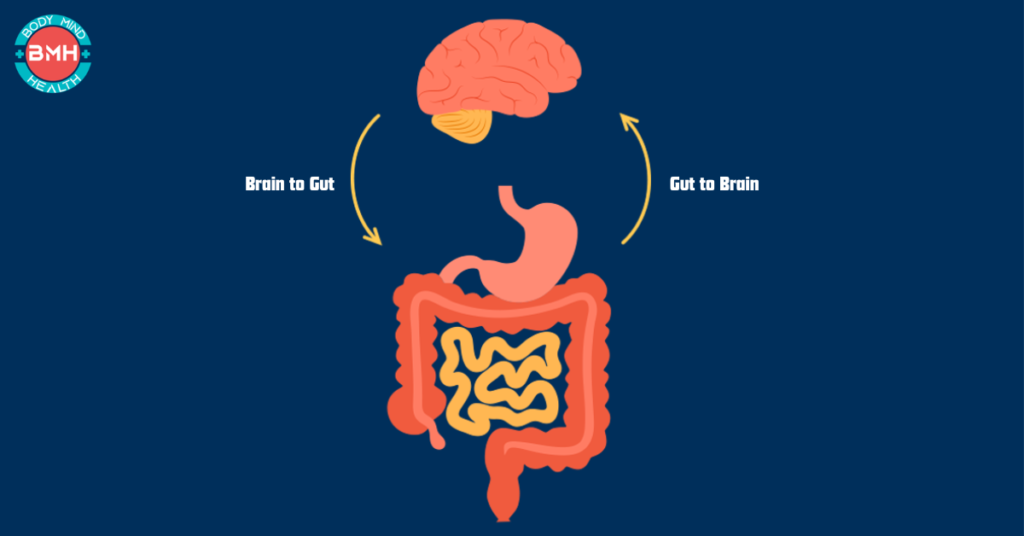
Have you ever noticed that a child becomes more irritable, distracted, anxious or emotionally sensitive when experiencing digestive issues such as constipation, bloating or stomach discomfort? For many children, especially those with autism spectrum disorder (ASD), ADHD, sensory processing difficulties and developmental delays, what happens in the digestive system can influence much more than physical health.
The gut-brain connection is particularly important in children because the brain undergoes rapid growth and development during the early years of life. For children with autism spectrum disorder (ASD), ADHD, developmental delays, speech and language disorders, sensory processing difficulties and learning challenges, the communication between the gut and brain may influence several aspects of their daily functioning.
Many children with developmental conditions experience digestive concerns such as constipation, bloating, stomach discomfort, food sensitivities or selective eating habits. These digestive difficulties can affect more than physical health; they may also influence behavior, attention, sleep, emotional regulation and participation in learning activities.
When the gut microbiome is balanced and functioning well, it supports the production of important neurotransmitters such as serotonin, dopamine and GABA. These chemical messengers play key roles in attention, mood regulation, motivation, social engagement and emotional control.
For children with autism, a healthy gut may contribute to improved comfort and reduced irritability. When digestive discomfort is minimized, children may be more willing to engage in social interactions, therapy sessions, classroom activities and daily routines. Improved gut health can also support better sleep, which is essential for learning, memory and emotional regulation.
Children with ADHD often struggle with attention, impulsivity and emotional regulation. Since the gut microbiome influences neurotransmitters involved in focus and behavior, maintaining digestive health may help support concentration, self-control and overall well-being. While gut health is not a treatment for ADHD, it may complement educational, behavioral and therapeutic interventions.
For children with developmental delays and learning difficulties, proper digestion supports the absorption of essential nutrients needed for brain development. Nutrients such as omega-3 fatty acids, B vitamins, iron, zinc and magnesium play important roles in cognitive functioning, language development, memory and attention. A healthy digestive system helps ensure that these nutrients are effectively utilized by the body.
The gut-brain connection may also influence sensory processing. Many children with autism and sensory integration difficulties experience strong reactions to textures, tastes, smells and food preferences. Although sensory challenges require specialized intervention, improved digestive health can contribute to greater physical comfort and support overall regulation.
Another important benefit of a healthy gut is its influence on immunity. Since a large portion of the immune system is located in the digestive tract, maintaining gut health may help reduce inflammation and support overall physical wellness. Children who are healthier physically are often better able to participate consistently in therapy, school and social activities.
For therapists, educators and parents, understanding the gut-brain connection provides a more holistic view of child development. Alongside Speech Therapy, Occupational Therapy, Behavioral Therapy, Psychological Support, Special Education and family involvement, attention to gut health can become an important part of supporting a child’s growth and development.
By promoting healthy eating habits, encouraging physical activity, ensuring adequate sleep, reducing stress and supporting digestive wellness, families can help create a strong foundation for learning, behavior, emotional well-being and long-term developmental success.